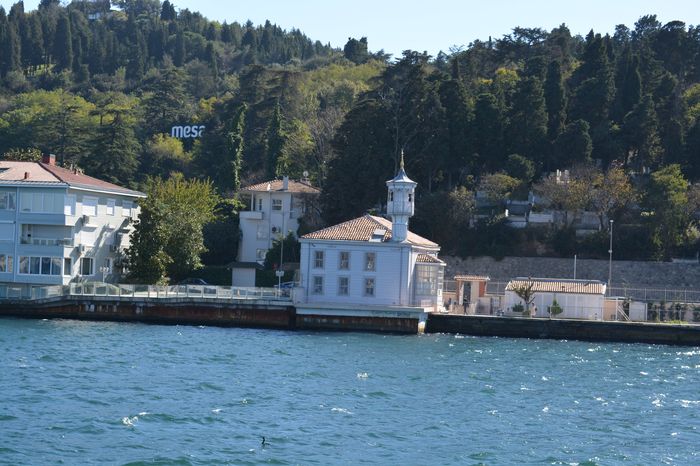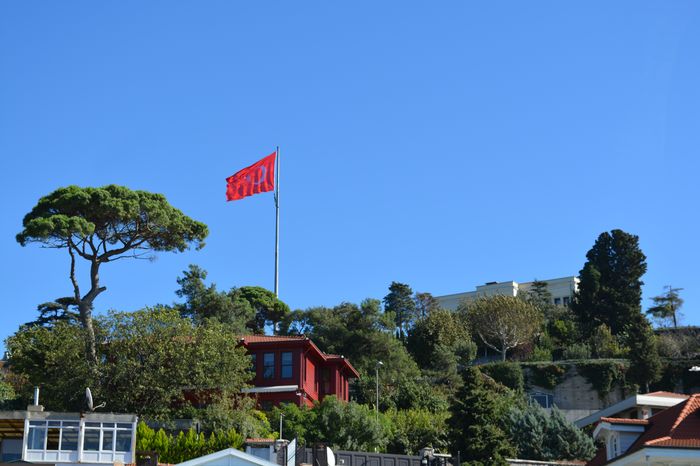
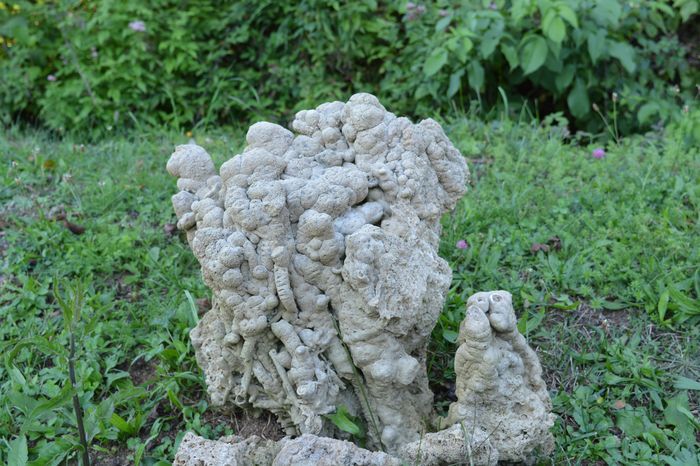
In the Byzantine period, the Hebdomon and its surrounding areas often served as a ceremonial gathering point for the capital. A notable example occurred during the reign of Emperor Manuel Comnenus, when the Icon of St. Demetrius was transported from Thessalonica to Constantinople. The sacred image was destined for the Church of the Pantocrator, now known as Zeirek Kilisse Mosque, located above Oun Kapan Ivapoussi.
The arrival of the icon was marked by great pomp and ceremony. Members of the Senate, along with a large number of priests, monks, and laypeople, traveled seven miles from the city to meet the procession. They received the icon with reverence and escorted it to the church, demonstrating both the deep religious devotion of the Byzantine people and the importance of ceremonial practices in connecting the capital with its surrounding regions. Such events reinforced the role of the Hebdomon and nearby suburbs as spaces where public life, religion, and state ceremonies intertwined A Guide to the Seven Churches.
The Anastasian Wall Protecting the Capital
Beyond religious and ceremonial functions, Constantinople relied on strategic defensive constructions. One of the most important was the Anastasian Wall, built by Emperor Anastasius I. Its purpose was to protect not only the city itself but also the surrounding suburbs and the fertile lands beyond the Theodosian Walls from enemy invasions.
The wall stretched approximately forty miles west of the city, extending from the Sea of Marmara to the Black Sea, crossing a territory about fifty-four miles wide. Because of its enormous length, it was often called the Long Wall. In official documents and later historical sources, it was also named the Anastasian Wall, after the emperor who commissioned it.
The wall was remarkably strong, measuring twenty feet in thickness and reinforced with towers at regular intervals. Its towers were designed to function as independent forts, each with a base gateway that controlled entry. This design allowed defenders to isolate any tower under attack and maintain the security of the rest of the wall Bulgaria Private Tours Kazanlak.
Repairs and Modifications
By 559, during the reign of Justinian the Great, the Anastasian Wall had suffered damage from earthquakes. Extensive repairs were undertaken, and improvements were made to strengthen its defensive capability. One major modification involved blocking the upper gateways that connected the towers along the summit. This ensured that each tower could only be entered from its base, making them self-sufficient forts capable of withstanding sieges even if neighboring towers fell.
The Anastasian Wall remained a key feature of Constantinople’s defense system for centuries. It protected not only the capital but also the surrounding agricultural lands and small settlements. In combination with religious and ceremonial uses of the suburbs, such as the Hebdomon, it demonstrates how Byzantine urban planning combined military, civic, and spiritual purposes to safeguard and enrich the empire.